
EliteContentMarketer
AI Tools & Software

Best AI Screen Recorders 2026

Ayushi KhandelwalWritten by Ayushi Khandelwal··10 min read
Best AI Screen Recorders 2026
Screen recording in 2026 isn’t just about hitting “record.” The tools that win now turn a rough screen capture into a shareable artifact automatically. Titles, chapters, summaries, captions, filler-word removal, even full step-by-step guides written for you after you stop recording. That’s the shift. A decade ago, I’d record a walkthrough, trim it in Camtasia, upload it, write a description, and move on. Today I can ask Loom to do the trimming and the description, or let Scribe convert the recording into a documented workflow my team actually reads. The bottleneck moved from the recording to everything around it, and AI is where the real time savings show up. Here’s my shortlist of the best AI screen recorders in 2026, what each one is good at, and where the rough edges still are.

What makes an AI screen recorder worth paying for in 2026?

The basics haven’t changed. Record in at least 1080p, capture system audio and mic together, grab a webcam overlay, and export without friction. Skip anything that fails these. The AI features that actually matter: ✅ Automatic transcript and captions you can edit ✅ AI-generated titles, chapters, and summaries ✅ Filler-word and silence removal (“um,” “uh,” long pauses) ✅ Auto-zoom or cursor smoothing for a polished look without manual editing ✅ Translation into multiple languages with AI voiceover ✅ Shareable link the moment you stop recording — no render queue With that lens, here are the picks:

1. Loom: Best overall AI screen recorder for teams
Loom screen recorder screenshot
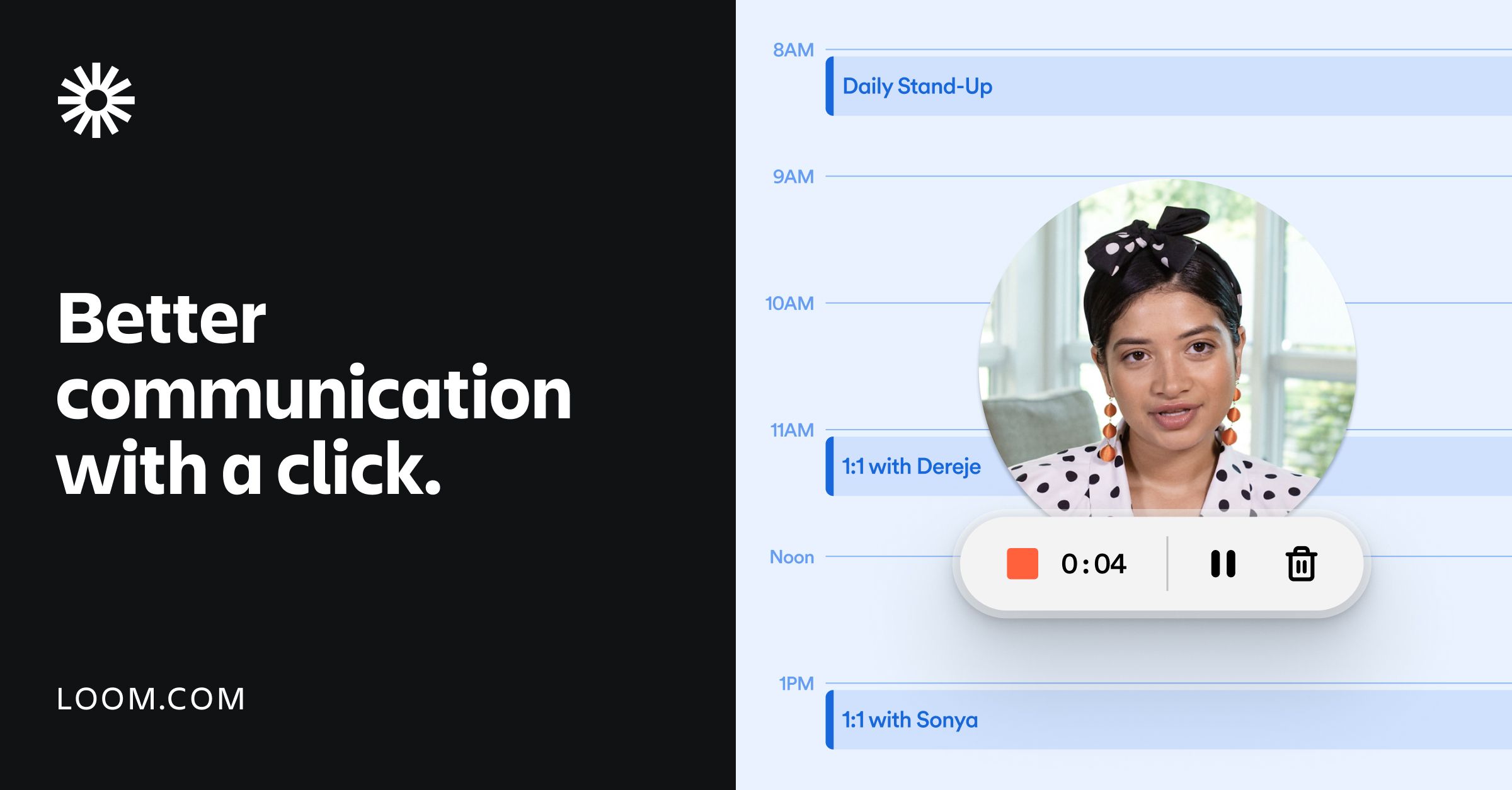
Platforms: Mac, Windows, Chrome extension, iOS, Android Loom, now part of Atlassian, is the default AI screen recorder for most content and product teams. After every recording, Loom’s AI auto-generates a title, chapters, a summary, and action items. It also cleans up filler words and silences without re-encoding the file. I use Loom weekly for async feedback, and the thing that sells it to teammates isn’t the recording — it’s the transcript with timestamps they can scan in thirty seconds instead of sitting through a six-minute video. Loom handles webcam overlay, screen sharing, tab-only recording, drawing tools, and reaction emojis on playback. Integrations with Slack, Jira, GitHub, and Notion mean most teams don’t need to leave their existing workflow to share a Loom. What I don’t like: The free Starter plan is aggressively capped — 25 videos total and a five-minute ceiling per recording. The AI features are behind the Business + AI tier at $20/user/month, meaning you’re paying $5 extra per seat over the Business plan just for the AI layer. On a team of 10, that’s $600/year for AI features you can get bundled in cheaper tools.

Pricing

Starter (free, 25 videos, 5-min cap), Business at $15/user/month, Business + AI at $20/user/month, Enterprise custom. Annual billing saves roughly 20%.

2. Descript: Best for creators who edit their recordings
Descript screen recorder screenshot
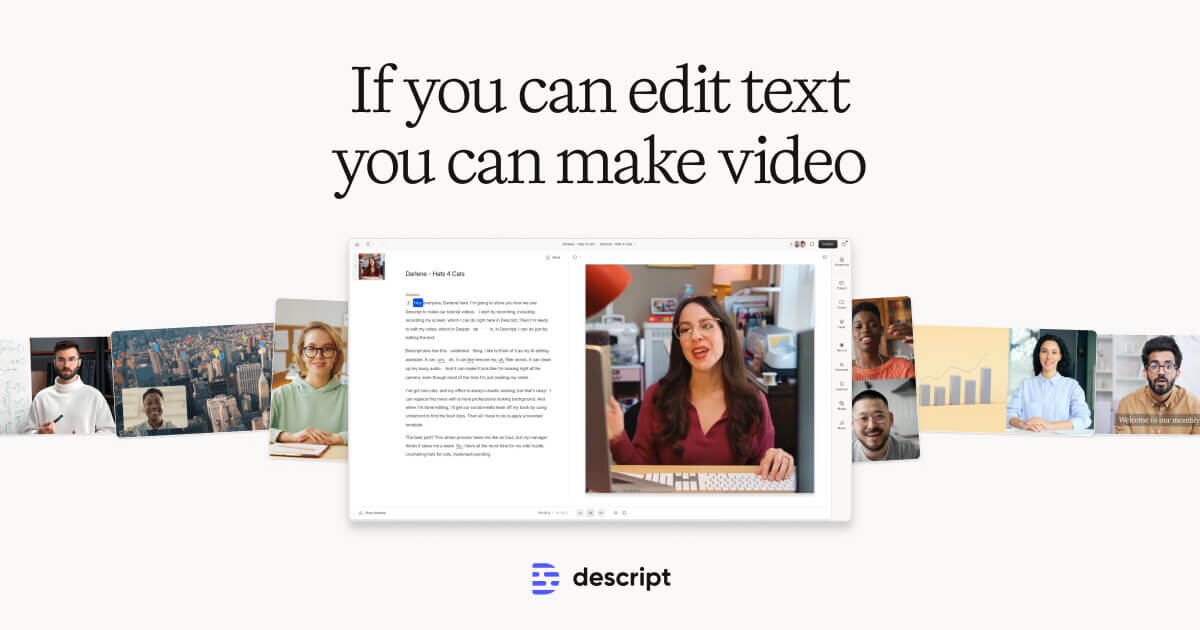
Platforms: Mac, Windows, web Descript isn’t a pure screen recorder — it’s a video and podcast editor with screen recording built in. But it belongs on this list because of how different the editing experience is. You edit video by editing the transcript. Delete a sentence in text, and the corresponding video disappears. Say “um” 47 times in a recording? One click removes every instance. I’ve used Descript for the last two years for client walkthroughs and screencast tutorials. The Studio Sound feature alone is worth the subscription — it cleans up audio recorded in a noisy café to sound podcast-grade. Overdub (voice cloning) lets me patch a mispronounced word without re-recording the whole take. What I don’t like: The pricing model changed in September 2026 to a media minutes + AI credits system, which is genuinely confusing to budget for. The free plan limits you to 60 media minutes a month and 100 one-time AI credits, which burn through fast if you’re using AI effects. Also, Descript is heavier than a pure screen recorder — if all you need is “capture and send,” it’s overkill.

Pricing

Free (60 minutes/month), Hobbyist $24/month, Creator $35/month, Business $65/month, Enterprise custom. Annual billing drops Hobbyist to $16/month.

3. Scribe: Best for turning screen recordings into step-by-step guides
Scribe step-by-step guide tool screenshot
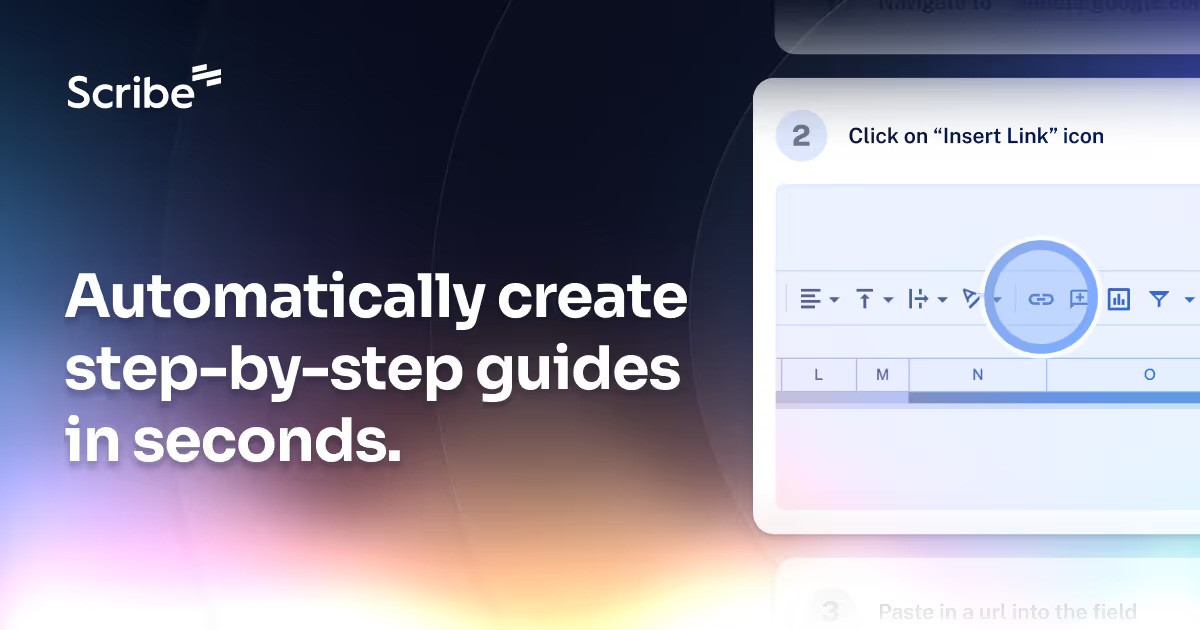
Platforms: Chrome extension, desktop app (Mac, Windows) Scribe is the odd one out on this list because the output isn’t a video. You hit record, perform the workflow in your browser or desktop app, stop, and Scribe spits out an illustrated step-by-step guide with annotated screenshots and written instructions. No narration needed. For SOP documentation, onboarding materials, and help-center articles, this is the fastest tool I’ve found. A workflow that used to take 45 minutes to document (record video, trim, take screenshots, write captions) now takes about 90 seconds. Based on G2 reviews and the 5 million users Scribe reports, teams are mostly using it for internal process docs, not customer-facing content. That’s the sweet spot. What I don’t like: The Pro Team plan has a five-seat minimum at $12/user/month annually ($708/year floor), which locks out smaller teams. Individual pricing jumps to $23/user/month, which feels steep for what’s essentially automated screenshotting. The free plan also restricts where you can edit guides and limits customization.

Pricing

Free plan, Pro Personal $23/user/month, Pro Team $12/user/month (5-seat minimum, annual), Enterprise custom.

4. Guidde: Best for AI voiceover on product walkthroughs
Guidde AI screen recorder screenshot
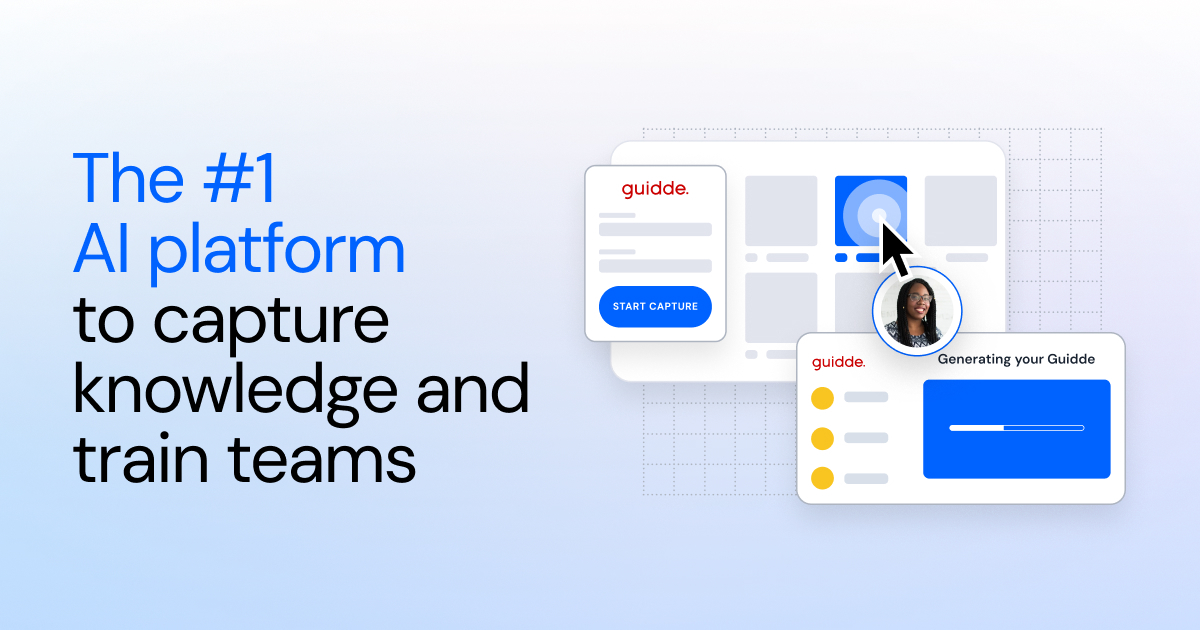
Platforms: Chrome extension, desktop app Guidde does what Scribe does — turns recordings into documentation — but leans video-first. The Magic Mic feature lets you speak casually while recording, and Guidde transcribes your speech, cleans it up, and converts it to a professional AI voiceover in 200+ voices. You also get an auto-generated script, storyline, and branded intro/outro. For customer-facing how-to content where a polished voiceover matters more than authenticity, Guidde saves hours. Based on public pricing and user reviews, the output quality rivals manually-produced tutorials. What I don’t like: The Pro plan pricing is oddly structured — listed as $18 billed annually, but details are thin on the monthly equivalent. The jump to Business at $39/user/month for unlimited voiceovers is a big step. Also, the AI voices, while good, still have that slightly-too-polished quality that reads as AI to trained ears. If your brand voice depends on sounding human, this might fall short.

Pricing

Free plan, Pro $18/month (annual), Business $39/creator/month (annual), Enterprise custom.

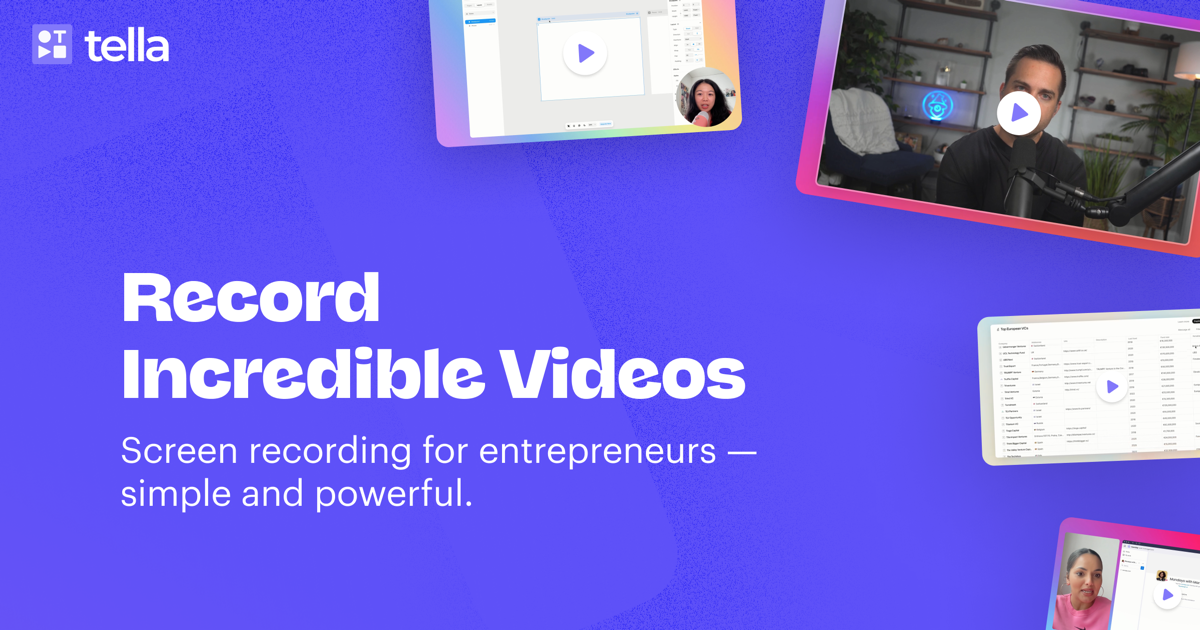
5. Tella: Best for polished videos without manual editing
Tella screen recorder screenshot
Platforms: Mac, Windows, web, iOS Tella sits between a basic screen recorder and a full editor. It handles recording plus lightweight editing — auto-zoom on clicks, smooth cursor movement, built-in backgrounds, filler-word removal — with AI doing most of the polish work automatically. Based on user reviews and public demos, Tella is what you want when you don’t have time to edit in Descript but need something more cinematic than a raw Loom. Creators making YouTube tutorials or landing-page demos tend to gravitate here. What I don’t like: The free trial is only seven days, which isn’t enough time to evaluate against Loom or Screen Studio. The $19/month Pro tier ($12 annual) is reasonable, but the Premium tier at $49/month feels expensive for features like custom domains that most creators don’t need. The 4K export is locked behind Pro, which is standard but still worth flagging.

Pricing

7-day free trial, Pro $19/month ($12 annual), Premium $49/month ($39 annual).

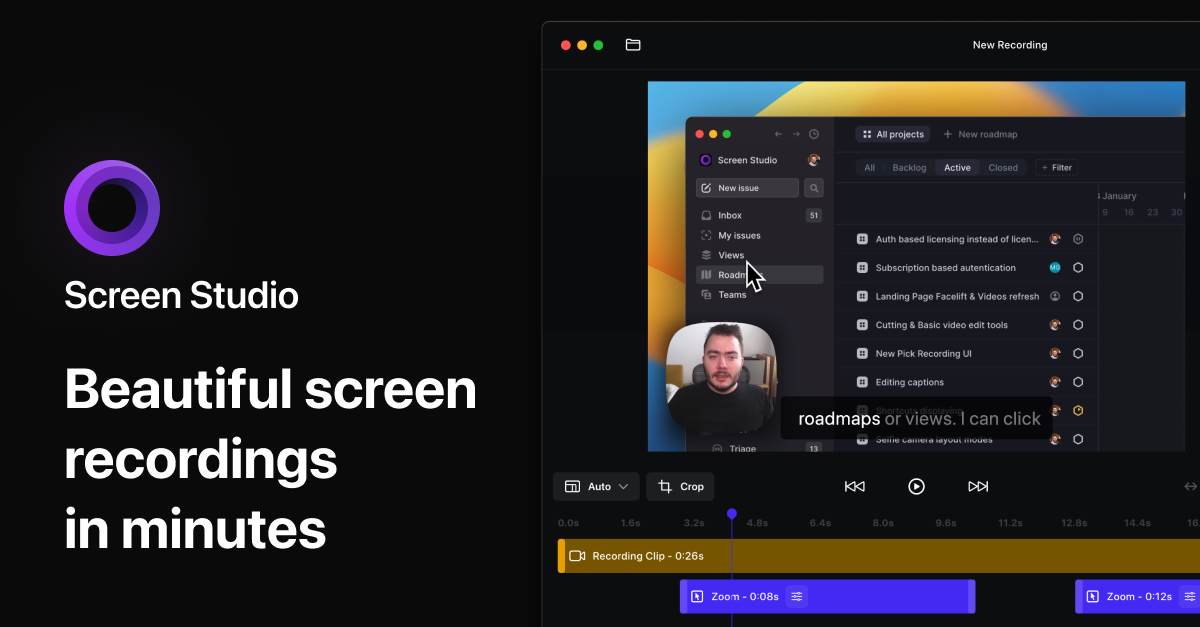
6. Screen Studio: Best for Mac creators who care about visual polish
Screen Studio Mac screen recorder screenshot
Platforms: macOS only Screen Studio does one thing extraordinarily well: it makes unedited screen recordings look like they were edited. Automatic cursor smoothing, click-triggered zoom, background blur, audio cleanup — all happen without you touching a timeline. If you’ve seen the polished screen recordings that flood product launch threads on X, they’re usually Screen Studio. Based on public reviews, Mac-only content creators treat it as the default. What I don’t like: Mac-only in 2026 feels like a deliberate choice, but it rules out half your team if you collaborate with Windows users. The subscription-only pricing also stings — $29/month monthly or $108/year — with no lifetime option. Previous users who bought one-time licenses in 2023 were migrated to subscription, which frustrated the community.

Pricing

$29/month or $108/year ($9/month annual). Educational discount drops annual to roughly $5.40/month.

7. Camtasia: Best for professional training and course creators
Camtasia screen recorder and video editor screenshot
Platforms: Mac, Windows Camtasia has been around for two decades and evolved into a legitimate AI-powered editor. The 2026 version adds Camtasia Rev (AI script generation), AI-powered hesitation removal, automatic captioning, background removal without a green screen, AI voice generation, and AI avatars for the higher tiers. For course creators selling polished training content, Camtasia still punches above its weight. The template library and quiz interactivity features make it hard to replace for LMS-style video. What I don’t like: The $179/year starting price is the highest non-enterprise entry on this list, and the Pro tier runs closer to $599/year for the AI avatar features. It’s also heavier software — you can’t run other memory-intensive apps while editing. The interface hasn’t been fully redesigned since before the AI era, so some AI features feel bolted onto an older workflow.

Pricing

Starts at $179/year. Pro plan approximately $599/year with AI avatars and advanced collaboration.

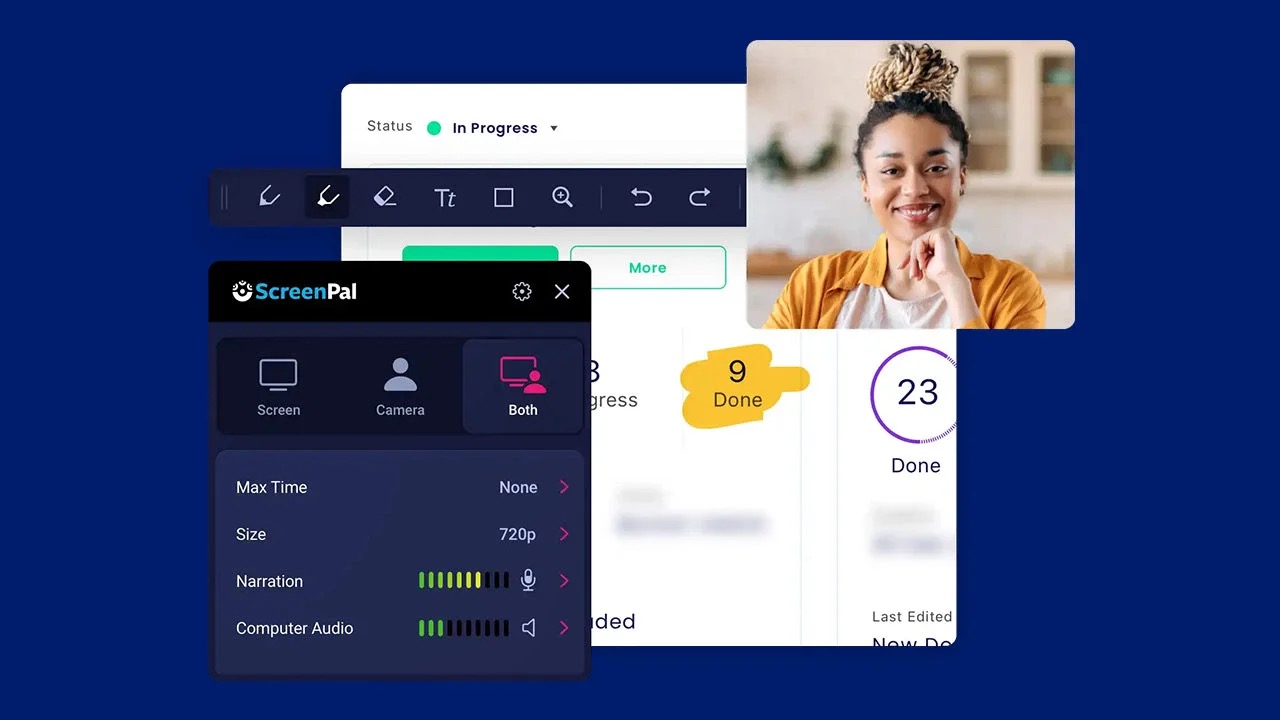
8. ScreenPal: Best budget screen recorder with AI
ScreenPal screen recorder screenshot
Platforms: Mac, Windows, Chromebook, iOS, Android ScreenPal (formerly Screencast-O-Matic) repositioned itself as a budget AI screen recorder and nailed the price. Plans start at $4/month with unlimited recording, and the AI features — auto-transcripts, captions, chapters, summaries, plus translation into 100+ languages — are genuinely useful. For educators, small teams, and anyone who needs the AI basics without Loom or Descript pricing, ScreenPal is the honest value pick. Based on G2 reviews, it’s particularly popular in K-12 and higher education. What I don’t like: The interface feels dated compared to Loom or Tella, and the editor is basic — you won’t edit a YouTube tutorial here without frustration. The free tier watermarks everything and caps recordings at 15 minutes. AI translation quality is solid for common languages but falls off for less-represented ones.

Pricing

Free (15-min recordings, watermarked), Solo Deluxe from $4/month, Team and Business tiers available annually.

9. OBS Studio: Best free option for live streaming and power users
OBS Studio free screen recorder screenshot
Platforms: Windows, Mac, Linux OBS Studio is the only fully free, open-source option on this list — and in 2026, that matters more than ever as everything else moves to subscription. Version 32.1.0 added WebRTC simulcast, a rebuilt audio mixer, and VAD noise suppression. OBS doesn’t have native AI features, but community plugins fill the gap. LocalVocal adds local speech recognition and live captioning. Intel’s OpenVINO plugins run AI effects (background removal, upscaling) directly on your hardware — no cloud required, which is a privacy win. For live streaming to YouTube, Twitch, or custom RTMP endpoints, OBS remains the default. Creators who want multi-scene setups, complex audio routing, or hardware encoder control should start here. What I don’t like: The learning curve is real. The interface looks like it was designed in 2012, because it was. Setting up streaming for the first time requires reading documentation, which most creators hate. AI features rely on community plugins, some of which are abandoned or unmaintained — you’re responsible for vetting them.

Pricing

Free and open source. No paid tier.

10. Zight: Best for marketing teams and client communication

Zight screen recorder screenshot
Platforms: Mac, Windows, Chrome, iOS Zight (formerly CloudApp) kept the drag-and-drop video sharing and integrations that made CloudApp popular and layered in AI transcriptions, summaries, Smart Actions for automated SOP generation, and automatic chaptering. For marketing teams that share screen recordings with clients, prospects, or internal stakeholders, Zight’s sharing flow is faster than Loom’s. You hit record, stop, and the shareable link is in your clipboard with the video already processing. Based on G2 reviews, user sentiment has been mixed since the rebrand — some report slower development and occasional reliability issues. If that matters to you, trial it before committing. What I don’t like: The Individual plan at $9.95/month is competitive, but the free tier caps recordings at five minutes, which is too short for most real use cases. The product has felt stagnant compared to Loom’s AI releases — Zight’s AI features work, but they don’t lead. And the post-CloudApp rebrand period has left some longtime users unhappy.

Pricing

Free (5-min cap, 50 uploads), Individual $9.95/month, Pro, Team, and Business tiers available.

Final thoughts: which AI screen recorder should you pick?

Most teams will land on one of three: Loom if you’re sharing videos with teammates and want the lowest friction. AI features are behind a $20/user/month paywall, but the Slack and Jira integrations are worth it for product teams. Descript if you edit your recordings and want the AI editing experience nothing else matches. Best for creators, educators, and anyone publishing content to a broader audience. Scribe if the output you actually need is documentation, not video. SOPs, help center articles, internal training — Scribe replaces the old “record video + write steps separately” workflow entirely. For everyone else: ScreenPal if budget matters, Screen Studio if you’re on Mac and care about polish, Camtasia if you’re selling courses, OBS Studio if you’re streaming live, and Tella or Zight for specific sharing workflows. A few tools I didn’t include and why: Ice Cream Screen Recorder: still functional, but hasn’t added meaningful AI features. Fine for one-off recordings, not competitive for a paid tier. Screencastify: solid Chrome-extension option with AI captions, but feels narrower than ScreenPal at similar pricing. Filmora Scrn: discontinued as a standalone product — merged into Filmora video editor, which isn’t primarily a screen recorder. Movavi Screen Recorder: still available, but AI features lag behind the leaders. Better known for video editing. Sure, the market has fragmented more than it needed to, but there’s a real upside: pick the workflow that matches how you actually work, and the AI savings compound every week.
Ayushi Khandelwal
Written by

Ayushi Khandelwal

A former software product review writer at Elite Content Marketer, Ayushi loved learning and sharing new avenues to help creators. Besides, she’s a trained classical dancer, a sucker for R&B music, and a baker. Kafka has her heart and Søren, her mind.

View Profile →

Related Articles